

By Emily Willox
I’d like to start this blog post off, with a quick disclaimer. Although this entry focuses on the evolution of gardening practices between three different generations, it is by no means intended to diminish the work of previous ones.
My grandfather worked with the resources and information available to him at the time. It was because of his passion for gardening that he sought to pass on this wealth of knowledge over to my dad, who, over his lifetime, took and adapted these practices to reflect the modern developments in sustainable horticulture.
The passing of knowledge is a historical and cultural experience that has been ingrained in generations of humans. The act of transferring knowledge drives evolution and advancement in almost every aspect of life, especially gardening. So, while we may now consider some of the practices I’m about to delve into as ‘wrong’, that is not the case. It is crucial to remember that these techniques were of their time – and although we’ve developed them since, their importance remains.
From Father to Son
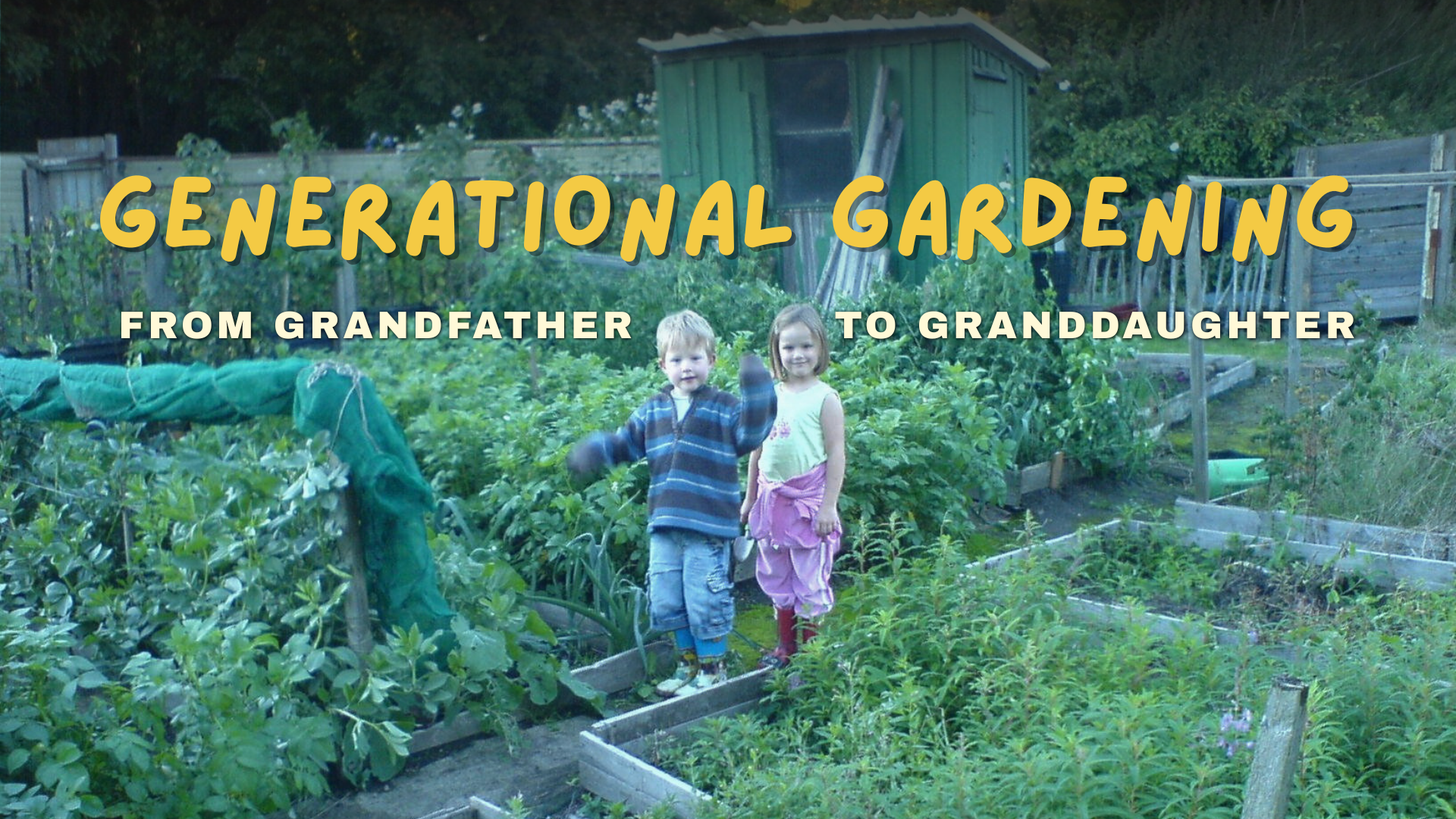
My grandpa had his allotment for 22 years until it was passed over to my dad in 2019. My childhood memories are filled with washing and cracking open loose pea pods, or of rogue tomatoes that were snatched from their vines in our greenhouse. However, my earliest view of the plot itself was that it was an open, entangled and chaotic green space in which we’d grow the raspberries to accompany our dessert that night. Although it may not have been the most polished-looking, my grandpa’s allotment was cultivated to benefit the surrounding wildlife as much as it was for us to eat from.
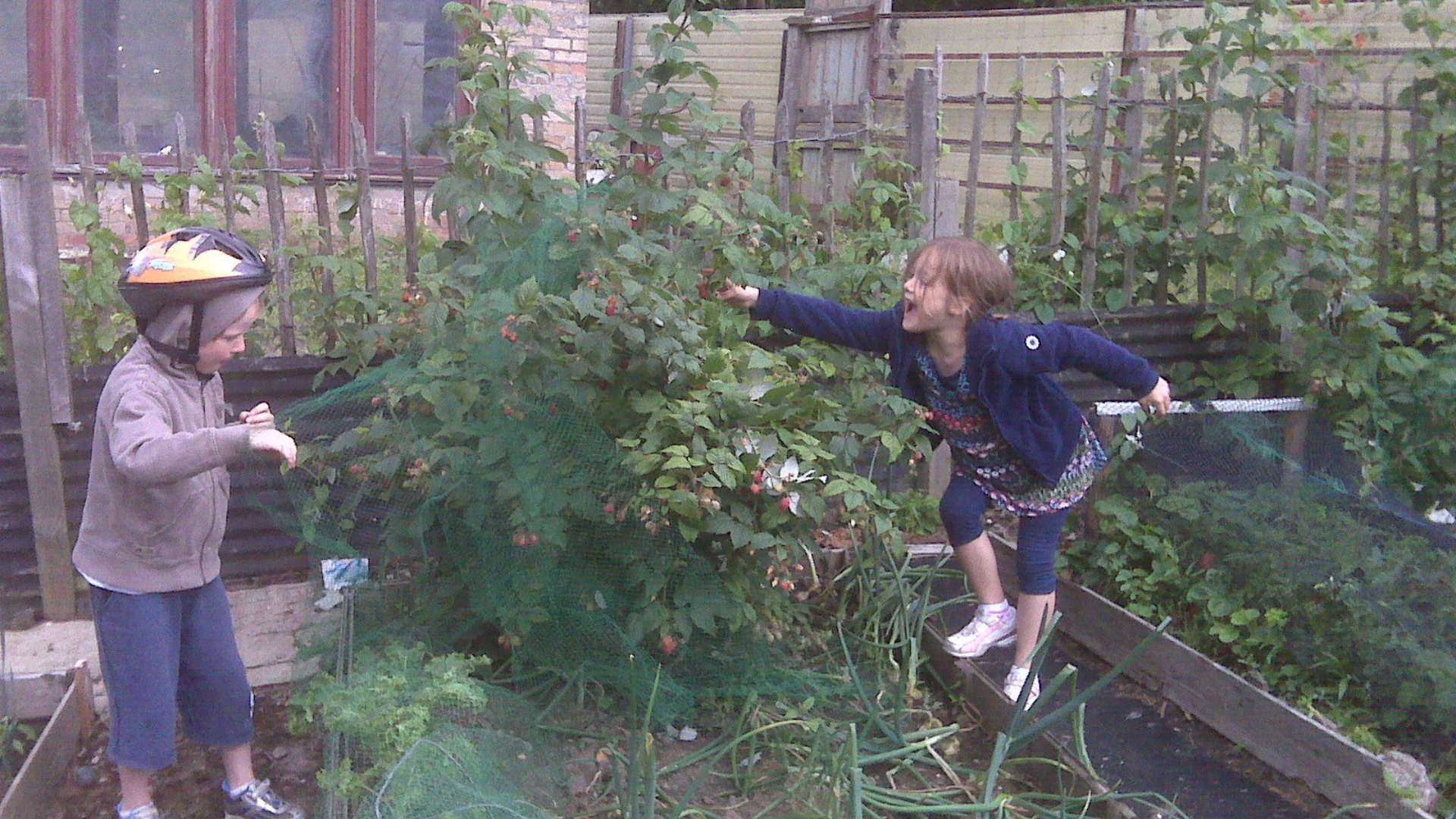
Slatted fencing panels enclosed our plot to ensure wildlife had channels or ‘highways’ to travel through. This meant we had regular visits from foxes, squirrels, hedgehogs – practically any local allotment inhabitants seeking a way through the plots. Bird feeders were potted about the fencing and hut, made from a variation of seeds, oats or fat balls to supplement dry feeding periods and provide a source of nutrients for the surrounding fowl. Even if it was a happy accident, he continuously kept a section of our plot untouched and wild, eventually transforming it into a beastie haven for centipedes, worms, spiders and woodlouse alike.
Passing down the values of home gardening and harvesting your own produce is one, if not the main reason, my dad continues to garden to this day. In 2019, when the allotment was passed down to my dad, he discovered some interesting differences between both of their gardening techniques. Differences that told a story of how even the most passionate gardeners always have more to learn.
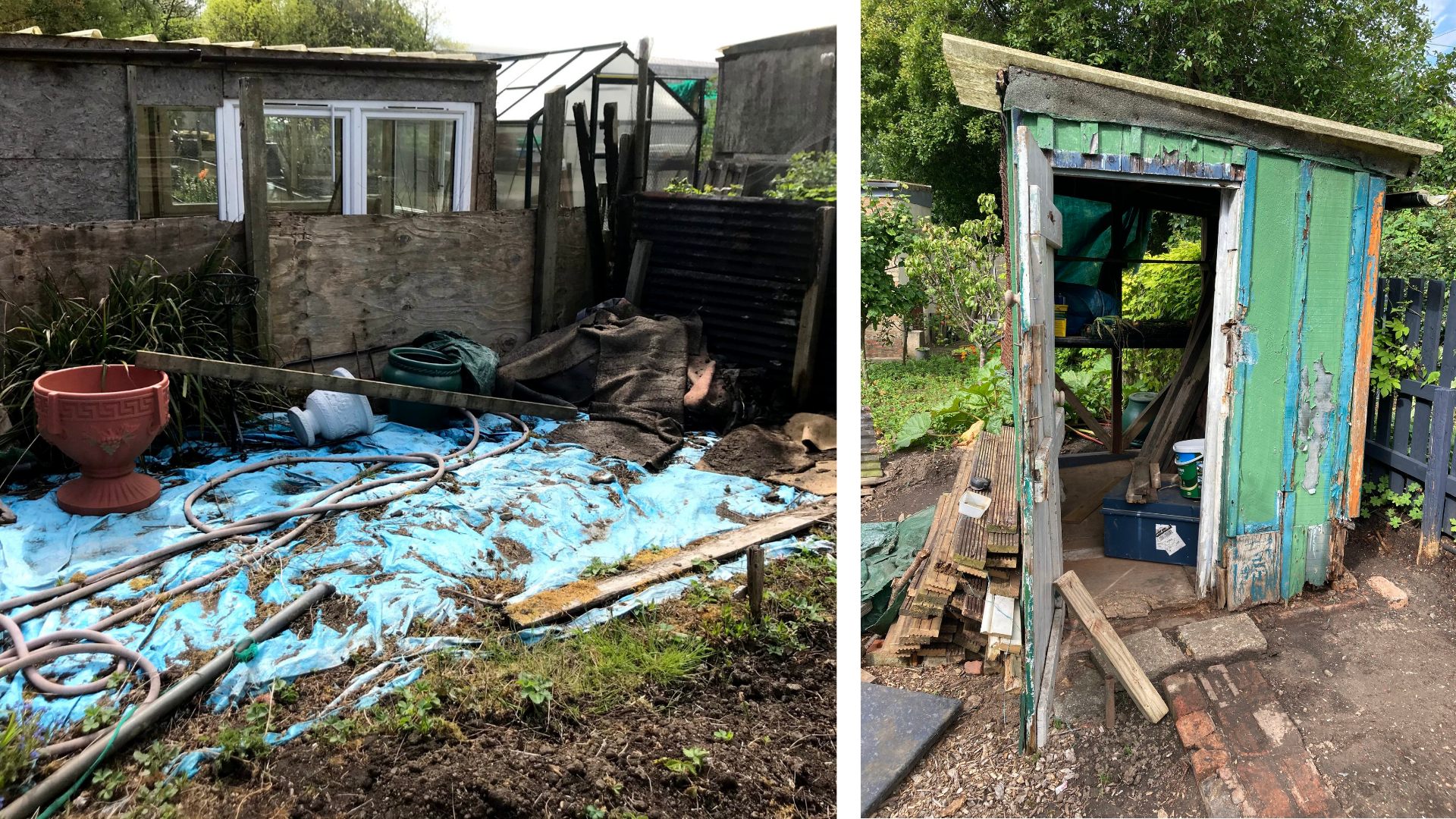
After a couple of years of the allotment having less activity, it was decided that my dad would revamp the plot. As he began unearthing a path for the central walkway, he discovered an accumulation of old carpet that had previously been put down in an attempt to suppress weeds. It was a common misconception amongst the older generations of gardeners that carpets could act as a permanent weed barrier while encouraging moisture retention that would, in turn, be beneficial to worms. Newer research has debunked this theory, instead showing that this method can cause toxic leaching that can contaminate the ecosystem due to the synthetic fibers found in carpets.
One of the main differences between their practices is their digging. My grandpa used to turnover his beds every year in the hopes of aerating the soil, reduce compaction and make the battle against weeds a little more manageable. This was traditionally advised for the reasons mentioned, but it has become widely understood that turning over beds is not required, or at least not to the same extent. My dad, however, follows the no-dig practice, which leaves the earth undisturbed, making it more practical, but its primary purpose is to improve moisture and retention without disrupting insect habitats.
Adapting to sustainable gardening practices is important, but the foundational skills we learned were originally founded and passed down throughout generations. While traditional practices may not seem as relevant nowadays, they continue to play a crucial part in the advancement of horticulture.
From Grandfather to Granddaughter
Fast forward to 2020, the pandemic has just hit, and now I’ve found myself with an abundance of free time to spend helping out in our family’s allotment.
A space that offered fresh air, physical activity and mental clarity during a period of worldwide instability meant little to my younger self who’d much rather have been sat in the dark, on her phone.
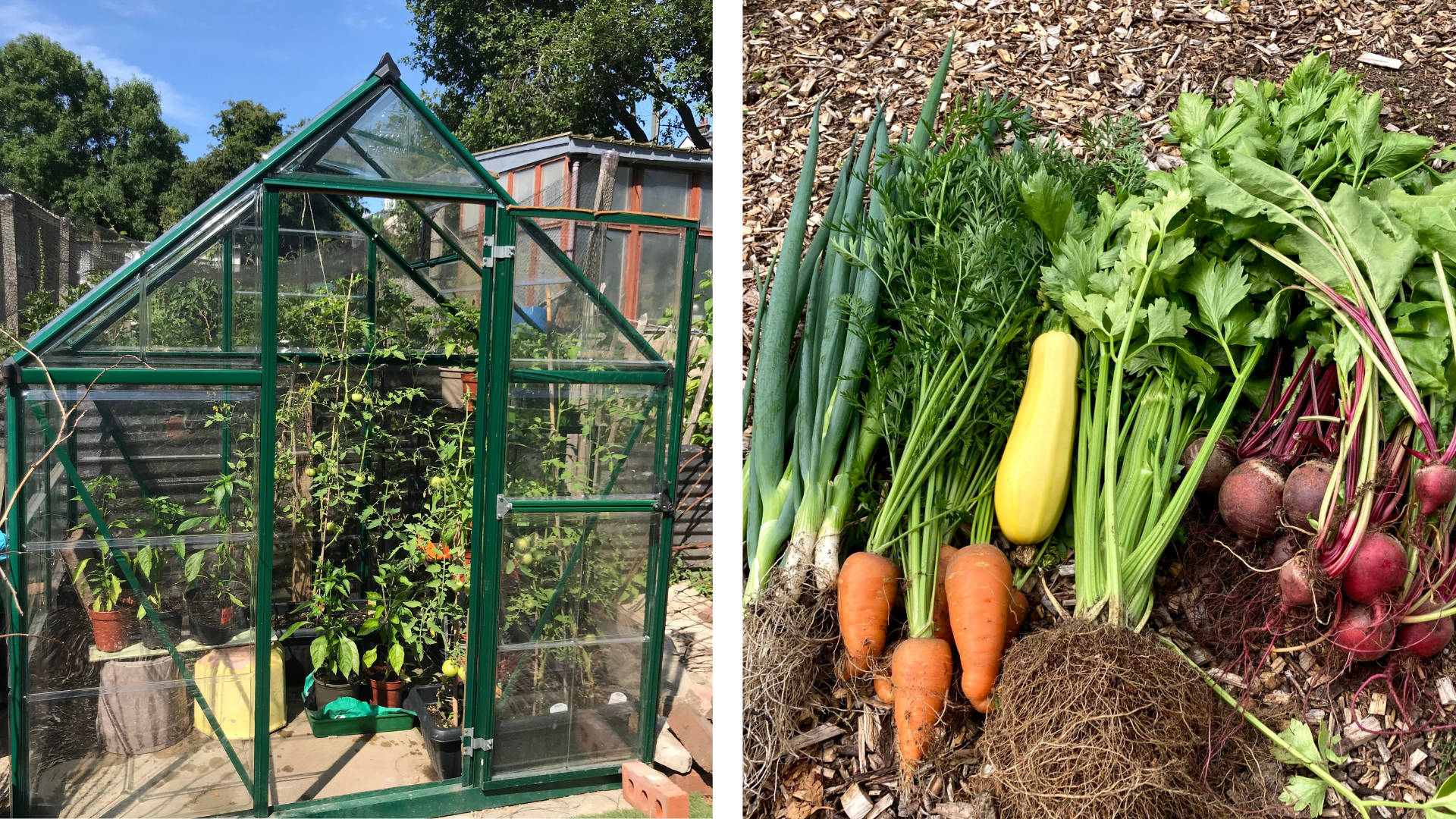
Days of my life were spent wheelbarrowing tonnes of woodchips that had been dumped by the council, through the allotment and into our plot. Though it might’ve taken me a while to warm up to the idea that this was how my summer was going to be spent, those (thankfully) sunny days brought me some much-needed time in nature as well as a better understanding of gardening and its influence on sustainability.
While my experience in gardening is still in its infancy, my dad and I continue to listen and learn from new information on updated practices, which put the environment at the forefront of gardening. Most recently, we found that the woodchips my brother and I had carted across the allotment may be having an adverse effect on the soil by locking up essential nutrients. The type of woodchips we use is coniferous chips, which are just slightly too acidic for our soil. To help mitigate this, we’re using ash from our wood burner and sprinkling it atop to neutralise the soil beneath. Even modern gardeners need to reassess their techniques as practices are constantly evolving. It’s important to stay informed on up-to-date information to ensure you continue to carry out sustainable horticulture practices.
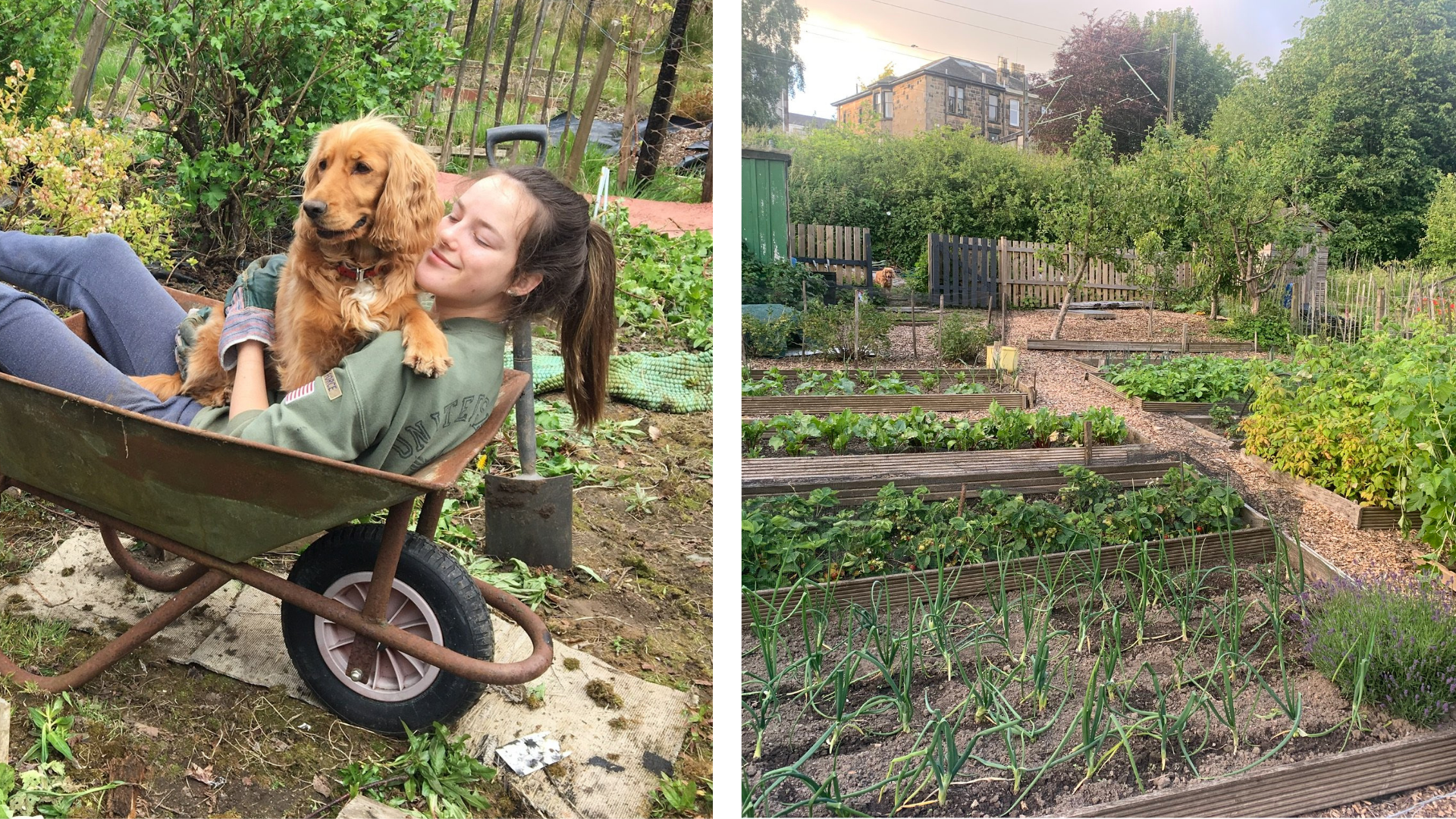
For Generations to Come
Looking back, I can admit that at a young age, the merit of gardening alone was not one I immediately recognised, but rather something that I later grew to appreciate. But without the dedication and knowledge that was passed down from my grandpa through my dad, as well as his own adapted techniques, I can say with certainty I wouldn’t have the care and value for horticulture that I now hold.
As aforementioned, the redundancy of one’s traditional gardening techniques does not take away from the core lessons; it’s when we advance on it we’re able to grow. Anyone who gardens, no matter the scale, is contributing to a more sustainable future, whether this is through living off the land or supporting the environment and biodiversity around you. Imperfect gardening is better than perfect neglect.
Follow along on our journey:


“Imperfect gardening is better than perfect neglect” what a beautiful quote! Thank you for sharing this inspiring story of how horticultural knowledge is passed down from generation to generation while still prioritizing environmental sustainability. Happy gardening, Emily!
What a super story – happy gardening Emily!