

Guest post by Katrina & Clayton
Chinese artichoke (Stachys affinis), also known as crosne, knotroot or Japanese artichoke, is a fascinating and often overlooked vegetable that deserves greater attention in Scottish gardens. Grown for its small, crisp, spiralled tubers, Chinese artichoke offers a delicate flavour often described as somewhere between Jerusalem artichoke, water chestnut and nutty potato. Although still relatively uncommon in the UK, this hardy perennial crop performs surprisingly well in Scotland’s cool climate, making it an excellent option for gardeners seeking unusual edible plants that require relatively little maintenance.
Unlike globe artichokes, Chinese artichokes are grown underground for their edible tubers rather than flower heads, their resilience to cool temperatures and ability to tolerate Scotland’s shorter growing season make them particularly suitable for kitchen gardens, allotments and edible ornamental borders.
The edible part of Chinese artichoke is the underground tuber, which develops in clusters beneath the soil surface, these distinctive white, segmented tubers have a crisp texture and mild flavour that works beautifully both raw and cooked, they can be eaten raw in salads, lightly steamed, stir fried, roasted or pickled. The leaves and stems are not generally eaten, as the culinary value lies almost entirely in the underground tubers.
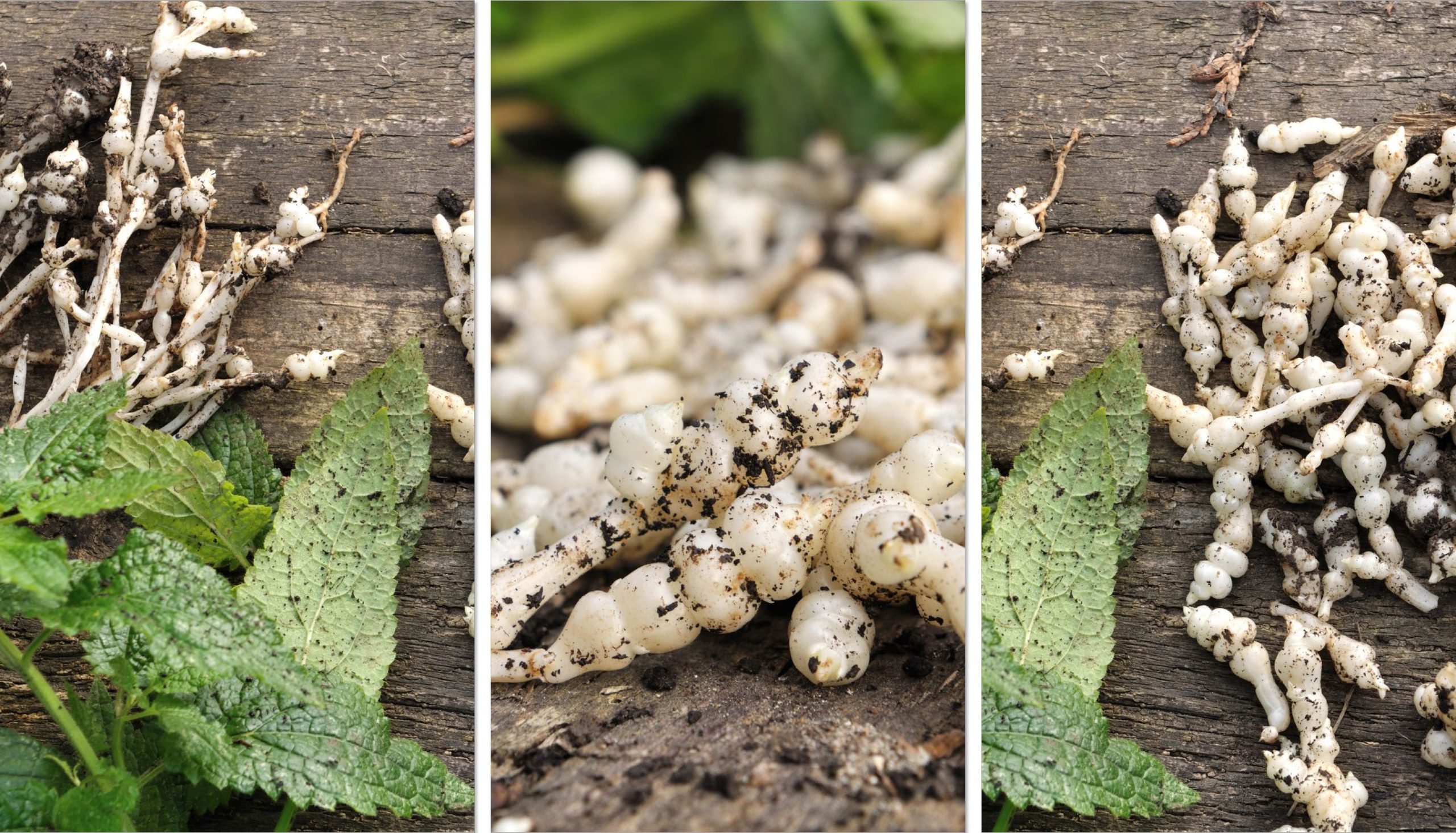
Growing Conditions and Soil for Chinese Artichokes
Chinese artichokes thrive in cool temperate climates, making Scotland naturally well suited to their cultivation. Unlike heat loving vegetables, they appreciate moderate temperatures and steady moisture, often growing better in northern regions where Summers remain mild.
A sunny position is ideal, although plants will tolerate partial shade without significant problems, full sun generally produces the strongest growth and larger tubers, particularly in cooler areas where warmth is more limited. However, in exposed gardens, some shelter from strong winds can help protect stems during the growing season.
The most important consideration when growing Chinese artichokes is soil quality, as the edible portion develops underground, loose, workable soil is essential for producing healthy, well shaped tubers. Heavy, compacted ground can lead to distorted growth and difficult harvesting.
Chinese artichokes prefer fertile, moisture retentive but free draining soil rich in organic matter, a sandy loam or light, crumbly soil works especially well because it allows tubers to expand easily without becoming waterlogged. In Scotland’s often heavy clay soils, adding compost like the Caledonian Green Goodness, leaf mould or well rotted manure significantly improves structure and drainage.
The plant performs best in slightly acidic to neutral soils, though it is reasonably adaptable provided waterlogging is avoided. Wet Winter soil can occasionally cause problems, particularly if drainage is poor, so raised beds may be beneficial in wetter regions.
Chinese artichokes spread underground so choosing a dedicated growing area helps keep them manageable while allowing tubers to develop freely, we have ours in raised beds, but also in our food forest used for ground cover to help prevent unwanted weeds, we control the spread by harvesting them regularly.
Planting Times for Chinese Artichokes
Planting time plays an important role in establishing strong plants and ensuring good harvests in Scotland. The best time to plant Chinese artichoke tubers is during Spring, once the worst Winter frosts have passed and the soil becomes workable.
Chinese artichokes are grown from tubers rather than seed. Healthy tubers are planted directly into prepared ground at a shallow depth, generally around 5 to 10 centimetres deep. Spacing is important, as plants spread readily underground and require room for tuber formation.
As Scotland’s growing season can sometimes be shorter, early Spring planting gives plants maximum time to establish before Autumn harvests begin. Once planted, shoots usually emerge steadily as temperatures rise.
Autumn planting is occasionally possible in sheltered gardens, though Spring planting remains the more reliable choice due to wet Winter conditions and colder temperatures. Chinese artichokes are perennial, meaning they naturally return year after year if some tubers remain in the soil after harvest.
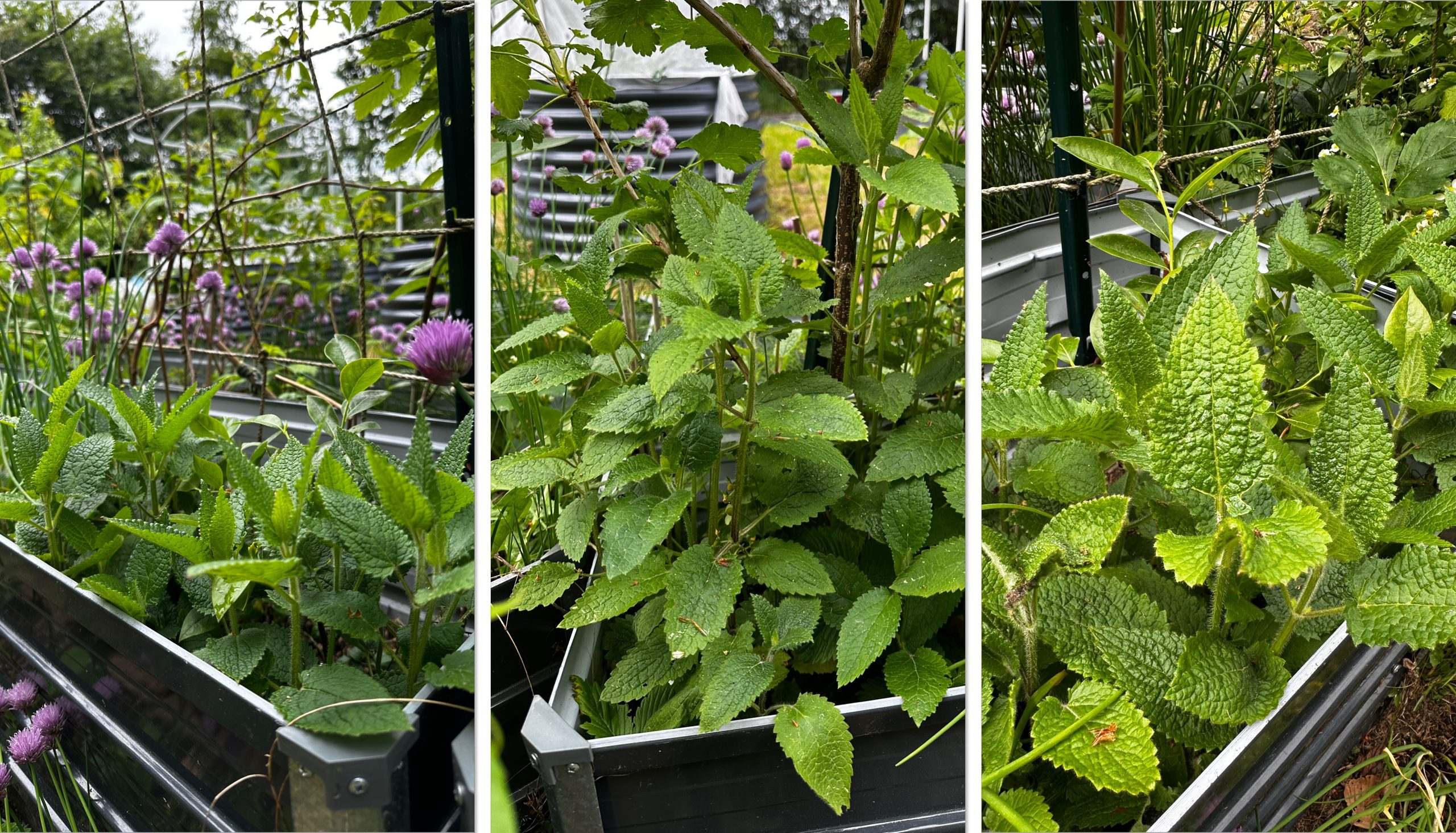
Caring for Chinese Artichokes
As plants mature through late Summer, the foliage may become dense and sprawling, light trimming can help manage growth if plants begin encroaching on neighbouring crops, though this is usually unnecessary. At the end of the growing season, foliage naturally begins to die back as energy moves into underground tubers, once stems yellow and collapse, they can be cut back to ground level.
As tubers form underground, excessive pruning of healthy foliage should be avoided during the growing season, as leaves help provide energy for root development and ultimately influence harvest size, they are exceptionally easy to divide and naturally propagate through their underground tubers.
Division also helps control spread, as the plant can naturalise quickly if left unmanaged. Even small tubers left behind in the soil may regrow, making careful harvesting important where containment is desired. For gardeners wanting to expand their crop, replanting divided tubers in new beds provides an inexpensive and highly reliable propagation method, as Chinese artichokes regenerate so readily, purchasing tubers once is often enough to establish a long term crop.
Chinese artichokes are relatively straightforward to care for, particularly once established.
Watering is most important during dry periods, especially in Spring and Summer when tubers are actively developing. Scotland’s natural rainfall is often sufficient, though prolonged dry spells may require supplemental watering. Soil should remain evenly moist without becoming saturated.
Mulching with compost or leaf mould helps conserve moisture, suppress weeds and gradually improve soil quality. Organic mulch is especially useful in lighter soils that dry out more quickly.
Weeding around young plants is important early in the season. Once established, the plant’s dense foliage often suppresses smaller weeds naturally.
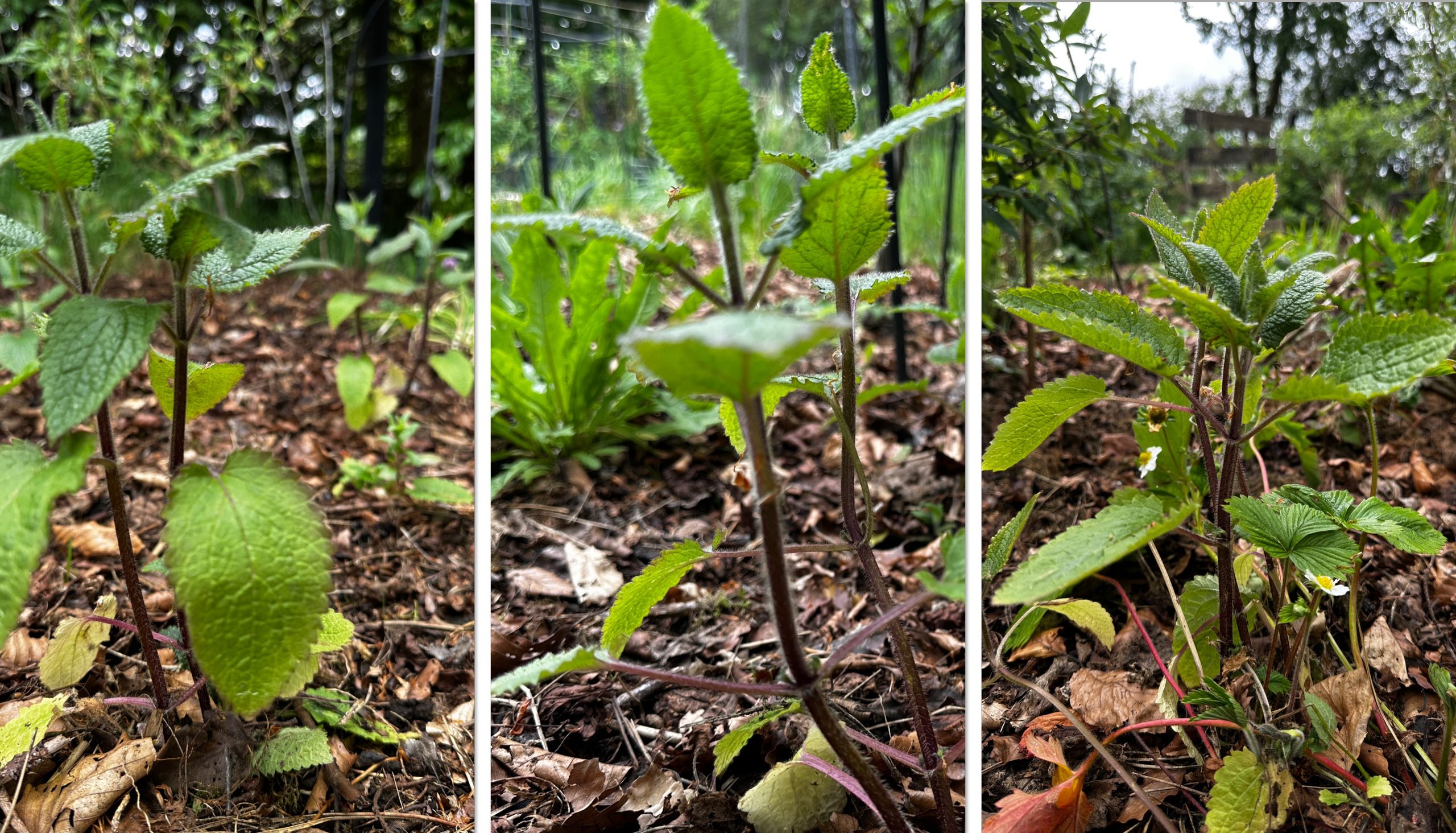
Companion Planting for Chinese Artichokes
Chinese artichokes work well in mixed edible gardens and pair successfully with many companion plants, they combine particularly well with crops that enjoy similar growing conditions, including beans, peas, leafy greens and brassicas. As Chinese artichokes occupy underground space while growing upright stems above ground, they integrate well into layered planting systems.
Herbs such as thyme, sage and chives can also make useful companions, helping attract pollinators and beneficial insects. Avoid overcrowding with other spreading root crops, however, as competition underground may reduce yields.
In ornamental edible gardens, Chinese artichokes add visual interest through their textured foliage making them useful for blending productive planting with decorative borders. Their perennial nature also makes them suitable for permaculture style planting schemes where long term productivity is prioritised.
Chinese artichoke is an unusual but highly worthwhile crop for Scottish gardens. Hardy, productive and surprisingly easy to grow, it thrives in the cool temperatures and moist conditions that Scotland naturally provides. Chinese artichokes can become a dependable perennial crop producing crisp, flavourful tubers each year. Their unusual appearance and culinary versatility make them especially appealing for adventurous gardeners seeking something different from standard vegetables.
Katrina & Clayton

Katrina & Clayton live with their family in East Ayrshire in Scotland and share their daily life in the garden on instagram @buildingfoodforest_scotland. They practice permaculture principles, reducing & repurposing waste whenever they can. Katrina shows how home educating in nature has helped Clayton thrive.
Clayton Completed The Grow and Learn Course with the Royal Caledonian Horticultural Society in 2022. This year he will be completing Level 2 Nurture Course. Clayton is 16, Autistic, Non Verbal & has been Home Educated for the last 6yrs. Both Katrina and husband Peter have studied the Permaculture Design Course PDC and PDC Pro over the last 5yrs, developing their garden from grass to an ongoing food forest.
They have featured on BBC Beechgrove Gardens, Gardeners World Magazine and write for Scotland Grows Magazine. Katrina has a series of children’s story books out following the life of Clayton in the garden. Available at Amazon.
See more and follow Katrina & Clayton at the links below: