

By Emily Willox
Gardeners have historically judged their gardens based on their ability to grow produce, or on their tidiness and vibrancy. Modern gardening, however, looks a little different.
Gardens are no longer judged on appearance alone, but instead on how alive they are.
A beautiful, bustling backyard is a tell-tale sign of a thriving garden, but one that buzzes tells a far more interesting story. Gardens filled with pollinator-friendly and climate-resilient plant life are what set new gardening goals apart from the old. Traditionally, gardeners might have felt satisfied planting some lavender for local pollinators, but what many may not realise is that supporting them goes beyond simply planting flowers.
As awareness of climate change and habitat loss has grown, more gardeners have begun to view their outdoor spaces as something more than just lawns to keep neat and tidy. Campaigns such as “No Mow May”- or our preferred “Slow Mow Summer”- reflect that shift, encouraging gardens that work with nature rather than against it. Pollinator-friendly planting is further becoming recognised as the point in which beauty and biodiversity meet, proving that a garden can still look good while offering real value to local wildlife.
The Unsung Heroes
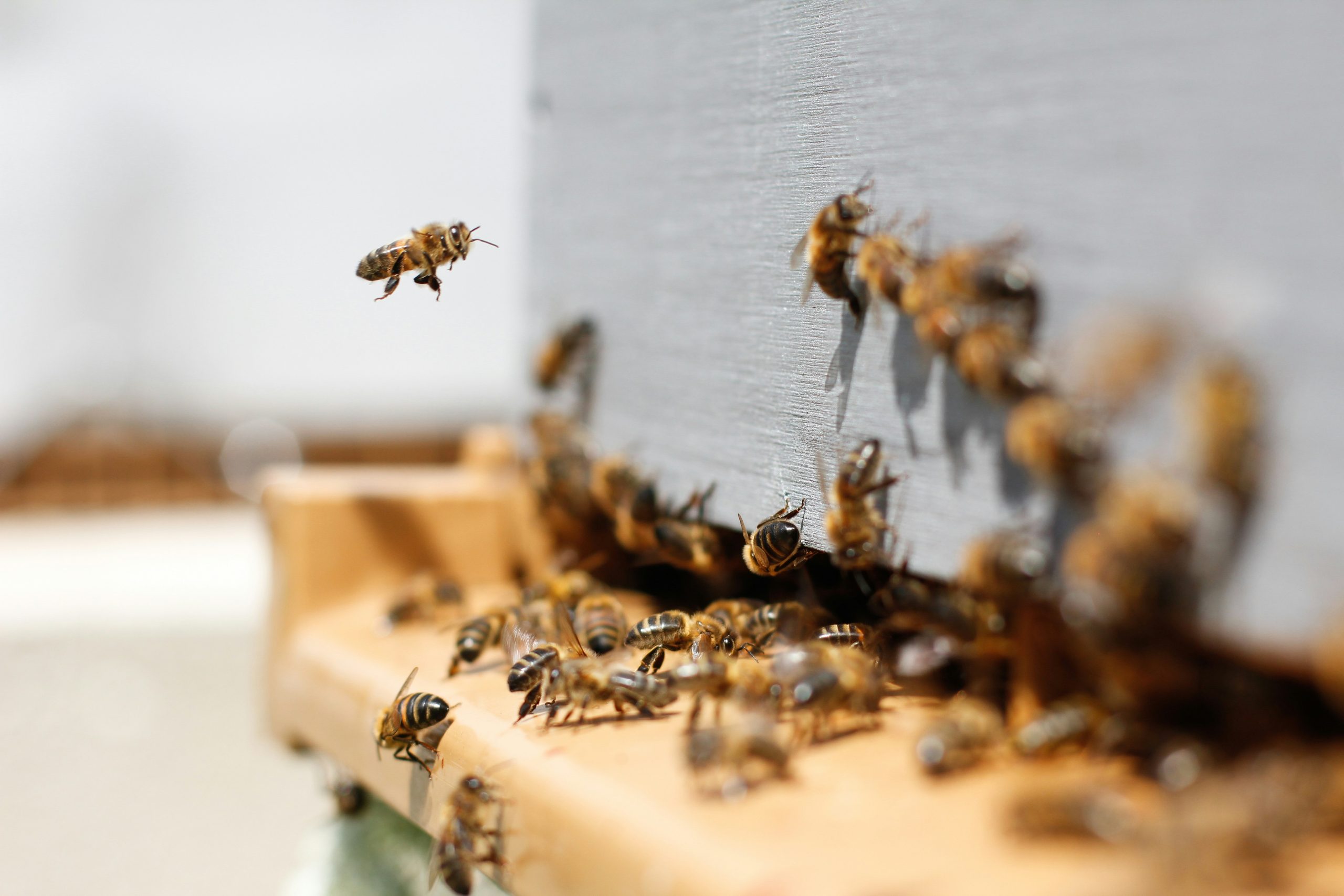
Bees are widely considered the most indispensable pollinators. With 115 different species residing in Scotland alone, it is no surprise that they fascinate gardeners so much. Responsible for pollinating 80% of our wild and cultivated plants, bees represent sustainability, biodiversity, and are a key indicator of the future of our environment.
By supporting native plants and flowers, bees sustain the food web, healthy ecosystems, and contribute to wider agricultural practices – so, what are we doing for them?
The Human Impact on Bees
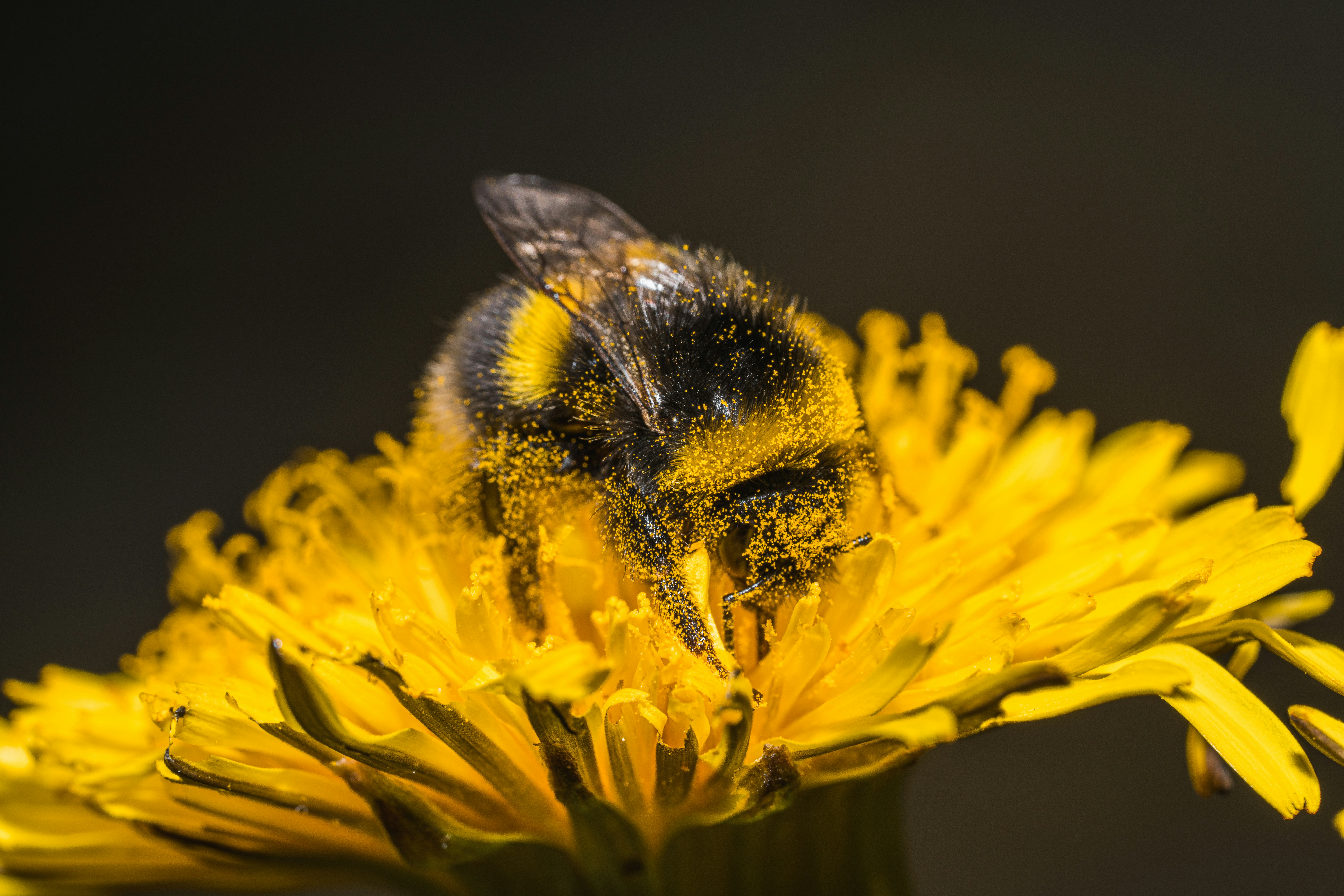
Human activity continues to both directly and indirectly damage bee habitats. Whether this is through air pollution, which increases the struggle for bees to locate food sources, poisonous chemical pesticides used on crops that affect their ability to navigate, or habitat destruction caused by relentless urban development.
Climate change remains a primary challenge to all wildlife, and bees are no different. The balance between pollinators and plants relies on a healthy environment. With temperatures rising and weather becoming increasingly unpredictable, bees are struggling to adapt to changing flower seasons, habitat loss and extreme weather conditions – all of which threaten their survival, this is where sustainable gardening can come to the rescue.
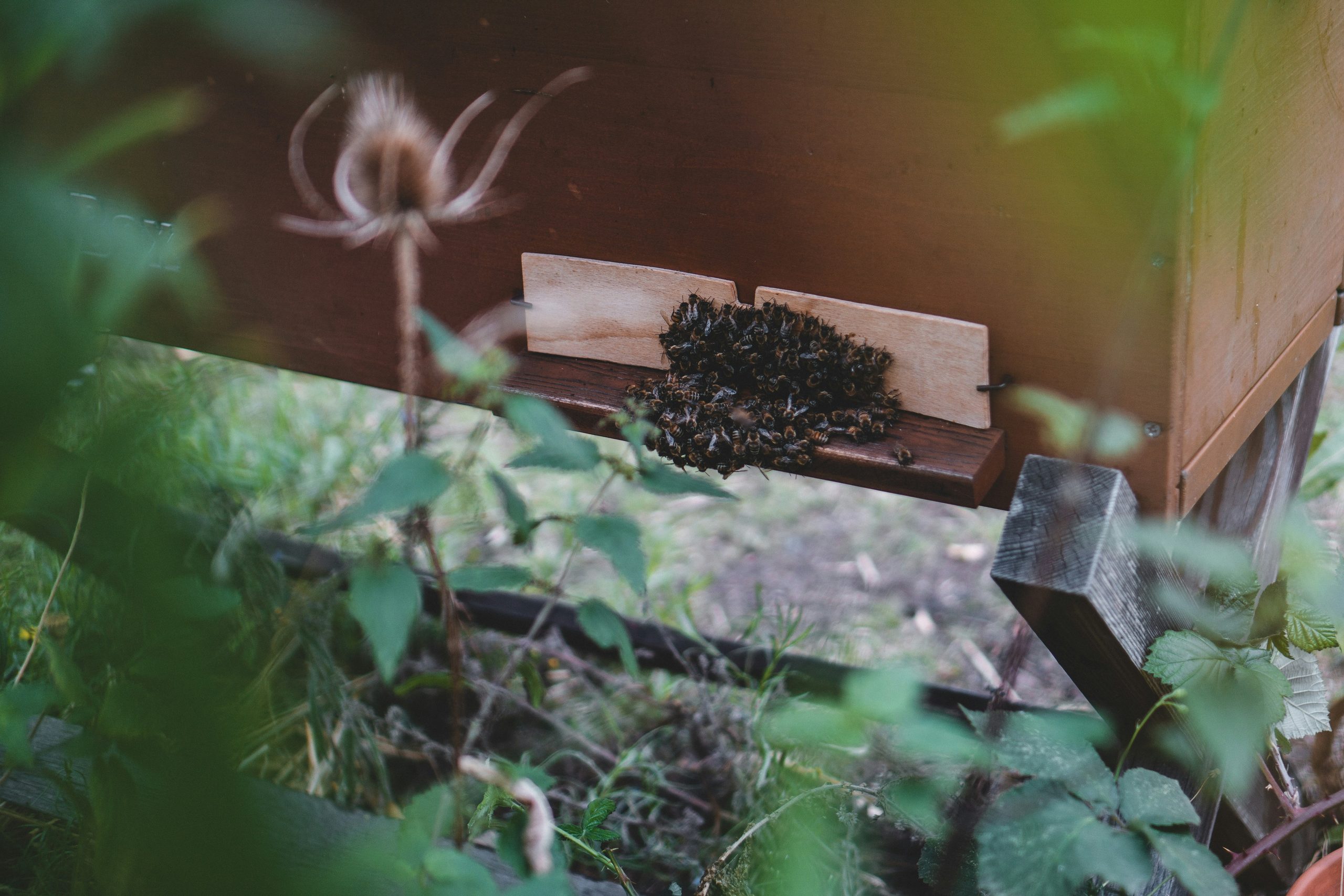
The presence of a thriving bee population is one of the clearest signs that a garden’s ecosystem is healthy and helping to support them beyond planting beautiful flowers.
There are three primary factors to keep in mind when curating a pollinator-friendly garden: 1) diversify what you are planting, 2) find ways to support their habitat, and 3) analyse the sustainability of your gardening practices.
Diversify What You’re Planting
Lavender alone will no longer cut it. Planting a diverse array of pollinator-friendly plants with staggered flowering cycles throughout the year will provide bees with food sources and help to close the hunger gap they usually experience between the winter months.
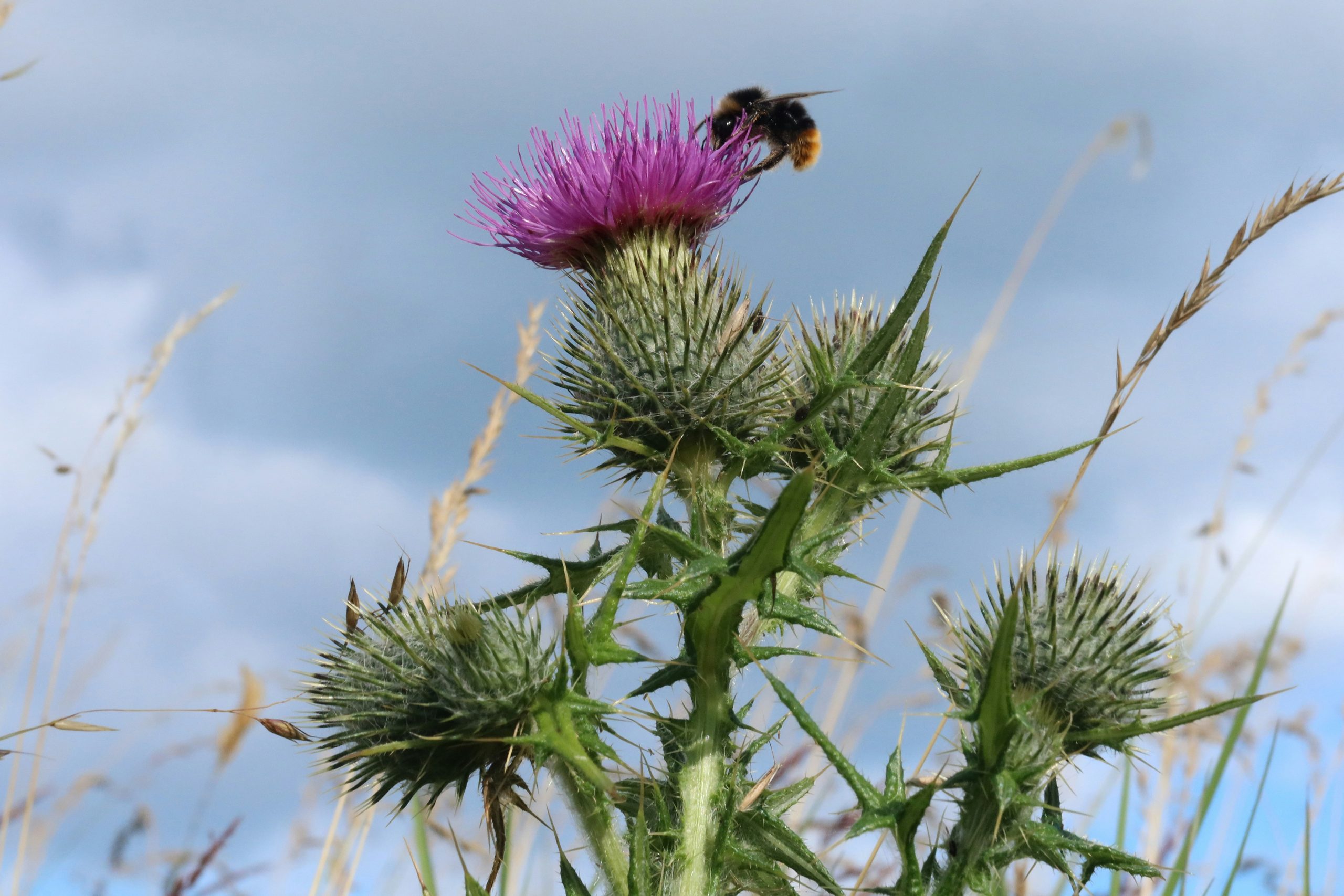
Ornamental plants and herbs you can introduce into your garden include aquilegia, borage, foxglove, and herbs like thyme and catmint. Honeysuckle or bramble shrubs also make perfect additions, or you can go old school and focus on native wildflowers like clover, geranium, and spear thistle. The key when planting in your garden is to provide connection. Plants support bees; bees support habitats; and those habitats strengthen the wider ecosystem.
Supporting Their Habitats
Building habitats can be as simple as creating small, natural spaces within gardens where pollinators can feed, nest and shelter safely. Planting wildflowers, leaving patches of long grass and adding features such as bee hotels or shallow water sources all help support bee populations and encourage biodiversity.
Sustainable Gardening Practices
The everyday gardening practices you implement may also have a larger impact than you realise. Here are some easy, simple changes you can make today to help the pollinators of tomorrow.
As mentioned earlier, the first tip might be the easiest: mow less. Keep areas of your garden a little wild, and allow old logs or debris to pile up and act as nesting sites for pollinators. If you prefer a tidier aesthetic, try incorporating wildlife corridors into your garden to make travel and food more accessible to the creatures living in it.
Stop using pesticides. Organic or synthetic, both can be highly harmful to bees, so instead, use non-chemical methods of keeping pests at bay. Physical barriers, natural repellents, and monitoring insect populations can help you limit and manage the pests living in your garden.
The Beauty of the Bustle
Creating a pollinator-friendly garden does not mean giving up beauty or order. It simply means making room for a garden that does more. With the right plants, a little patience, and a few thoughtful changes, your garden can become a space that not only looks good but actively supports the life around it- and becomes a living, changing space in the process.
Follow along on our journey: