

By Emily Willox
Have you ever been walking along a street, and breaking through the cracks in the concrete pavement, is a weed? How many times have you stopped to ponder the time, energy and resilience it took that plant to reach the surface in its search for sunlight? It can be easy to forget the strength of nature. With issues like deforestation and rising levels of extinction becoming more prevalent, we can mistake nature as being somewhat helpless. While it’s true our environment faces a multitude of challenges (many of which derive from the actions of humans) nature is not without its own unique strengths.
Forests are often admired for their beauty, but beneath the surface, they offer valuable lessons to be learnt in ecological resilience. Across the world, woodland ecosystems withstand changing weather patterns, pest pressures and seasonal extremes, all the while continuing to support a diverse range of life. Although gardens and forests differ greatly in scale, many of the principles that make forests successful in adapting and weathering today’s issues can also be used to help gardeners create healthier, more resilient growing spaces.
As climate change continues to influence weather patterns, resilience has become an increasingly important point of focus within horticulture. Hotter summers, periods of drought, intense rainfall and milder winters are all creating new challenges for gardeners. Looking at how forests function can help provide us with useful insights into how we can create gardens with the ability to adapt in these changing conditions.
Lesson 1: The Power in Diversity
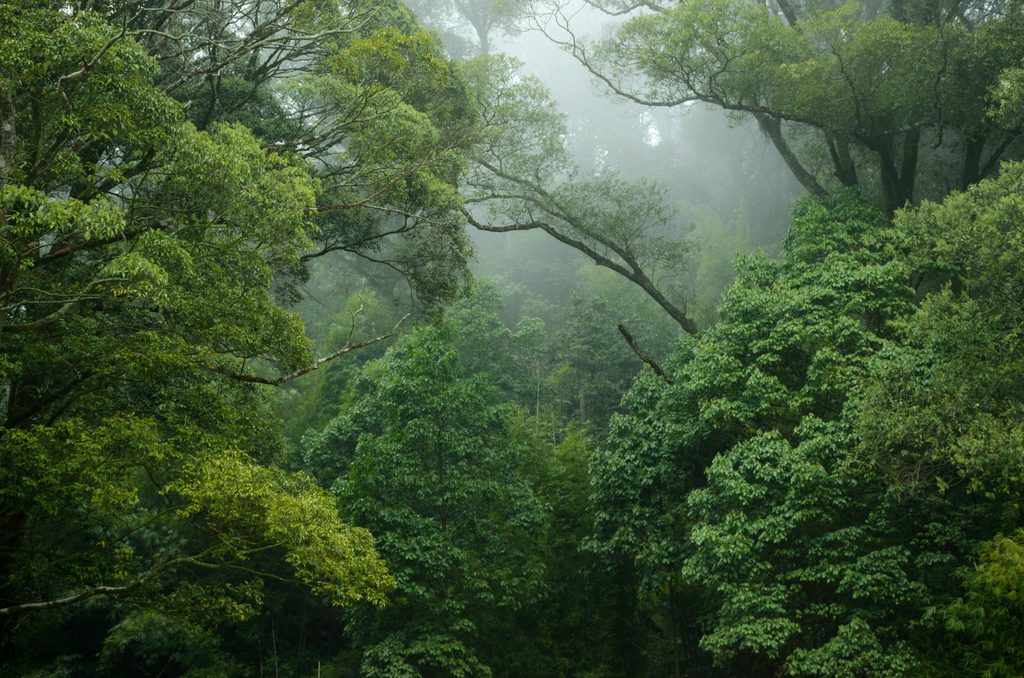
One of the most defining features of a forest lies within its diverse nature. A healthy woodland contains a wide variety of trees, shrubs, wildflowers, fungi and microorganisms, all of which contribute to the wider ecosystem. This diversity helps to reduce vulnerability to disease, pests and environmental stress. Meaning that if one species struggles, others are able to fill the gap to stabilise and maintain the balance of the ecosystem.
This same principle can be applied for climate-resilient gardening. Planting a wide range of species can help reduce the impact of individual plant failures and create a more stable growing environment. Gardens dominated by a small number of plant species may be more susceptible to disease outbreaks or extreme weather events. By incorporating a variety of plants with different growth habits, blooming periods and environmental tolerances, gardeners can create landscapes that are better equipped to cope with changing conditions. Selecting plants that can tolerate drought, fluctuating temperatures or periods of heavy rainfall can help ensure that gardens remain attractive and productive throughout the year. Diversity not only benefits the garden ecosystem but can also reduce the risk associated with relying too heavily on a small number of plant species.
Lesson 2: The Root of Forest Resilience
Another important lesson from forests lies rooted beneath the surface. Forest soils are rich in organic matter, built up over many years through the natural decomposition of leaves, branches and other plant material. This continuous cycle of decomposition improves soil structure, supports beneficial organisms and helps retain moisture during dry periods.
Healthy soil is crucial for healthy gardens, with organic matter enhancing water absorption, reducing runoff and retaining moisture during droughts to support plant health. Improving soil through compost, leaf mould, and organic materials boosts resilience to wet and dry conditions.
Forests show us just how important ground cover is, with leaf litter and low lying plants acting as a shield against erosion, keeping moisture in and easings any changes in temperature. This natural process is similar to how garden mulches save moisture, keep weeds at bay and improve soil quality, giving your plants a real boost during tough weather.
Lesson 3: Secondary Succession
What makes forests so crucial to study for horticultural practices, is their incredible ability to bounce back thanks to secondary succession.
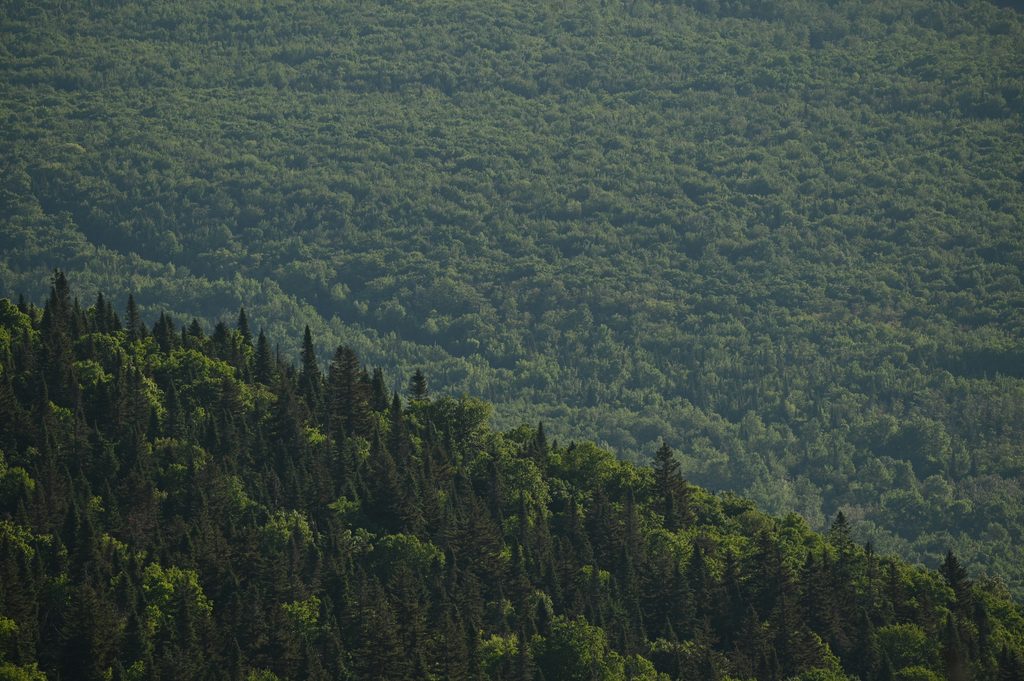
Secondary succession is what happens when an ecosystem is disrupted but the soil stays put. First, grasses and herbaceous plants make their move, followed by shrubs and eventually young trees. Over time, the ecosystem rebuilds itself, becoming more diverse and stable. We’ve seen this in instances where wildfires have erupted and land has become desolate, only for the area to regenerate without the need for human intervention.
This resilience is a key lesson we take away from forests and their ability to regrow without a reliance on regular maintenance from us. Gardens face their own disturbances, whether it’s extreme weather, pests, or losing beloved plants. Instead of seeing these as failures, we can view them as chances to rethink our planting choices and bring in species that are better suited for what’s to come.
Lesson 4: Adaptability
Adaptability is another hallmark of forest resilience. These ecosystems are always shifting in response to their environment. Some species take the lead while others fade, keeping the ecosystem running smoothly. This adaptability is becoming more relevant for us gardeners too. While many garden favourites will still thrive, there’s growing value in picking plants that can handle a wider range of weather. Drought-tolerant species, those resistant to temperature swings, or ones that can cope with heavier rain are becoming increasingly more important.
Lessons Learnt
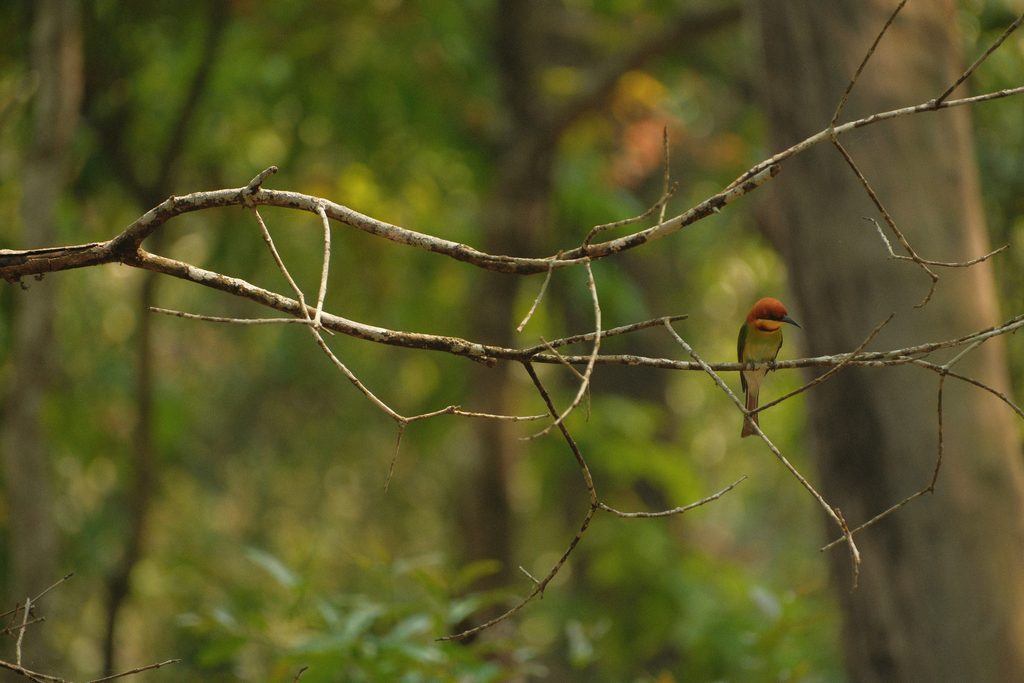
This doesn’t mean we need to completely re-do our gardens. Instead, we can gradually introduce climate-resilient plants alongside our favourites, creating a more balanced and adaptable space. Often, the plants that naturally pop up after a disturbance are the best equipped to handle tough conditions, offering valuable insights for future garden design.
Forests show us that resilience is built through interconnected systems, not just individual parts. Healthy soils support healthy plants. Diverse planting boosts biodiversity. Ground cover protects soil structure and moisture. Each element plays a vital role in the ecosystem’s stability.
Gardens work in much the same way. Resilience isn’t about a single plant choice or technique but a mix of practices that support long-term health and sustainability. As we adapt to changing conditions, forests offer a great model for success. Their ability to thrive through diversity, healthy soil, and continuous adaptation highlights principles we can apply at any scale. By drawing inspiration from these natural systems, we can create spaces that are not only productive and beautiful but also ready for the challenges of a changing climate.
In the same way a single weed can break through concrete in its relentless pursuit of sunlight, so too can our gardens embody the resilience prevalent in nature. Thriving against the odds when nurtured with diversity, healthy soil, and adaptability.
Follow along on our journey: