

Guest post by Sarah Gerhardt
Even the tiniest garden can be transformed into a beautiful outdoor space. Whether you have a small patio, a balcony or little backgreen space in the city, thoughtful design can make every inch feel generous and interesting. Scottish city gardens, in particular, often face the challenge of limited space but with the right plant choices and clever use of height, light, and texture, you can transform any outdoor area into a delightful little garden.
Here are five tips on how to make the most of a compact garden without feeling constrained by it.
1. Think Vertical: Grow Up, Not Out
If ground space is scarce, start looking up.
You can use climbing plants to cover fences, walls or railings. Climbers such as clematis, honeysuckle, or even a wall trained apple or pear tree can add height and colour without taking up too much room. If you are considering a fruit tree, look out for cultivars grown on dwarfing or semi-dwarfing rootstock. These can often be grown as a small bush, wall trained (i.e. as an espalier or fan) or even work in a pot. For apples look out for rootstocks M9 and M26 and M27 if you are looking for an extremely small tree (max. height around 1.2-1.8 m). For pears rootstock Quince C is a good choice.
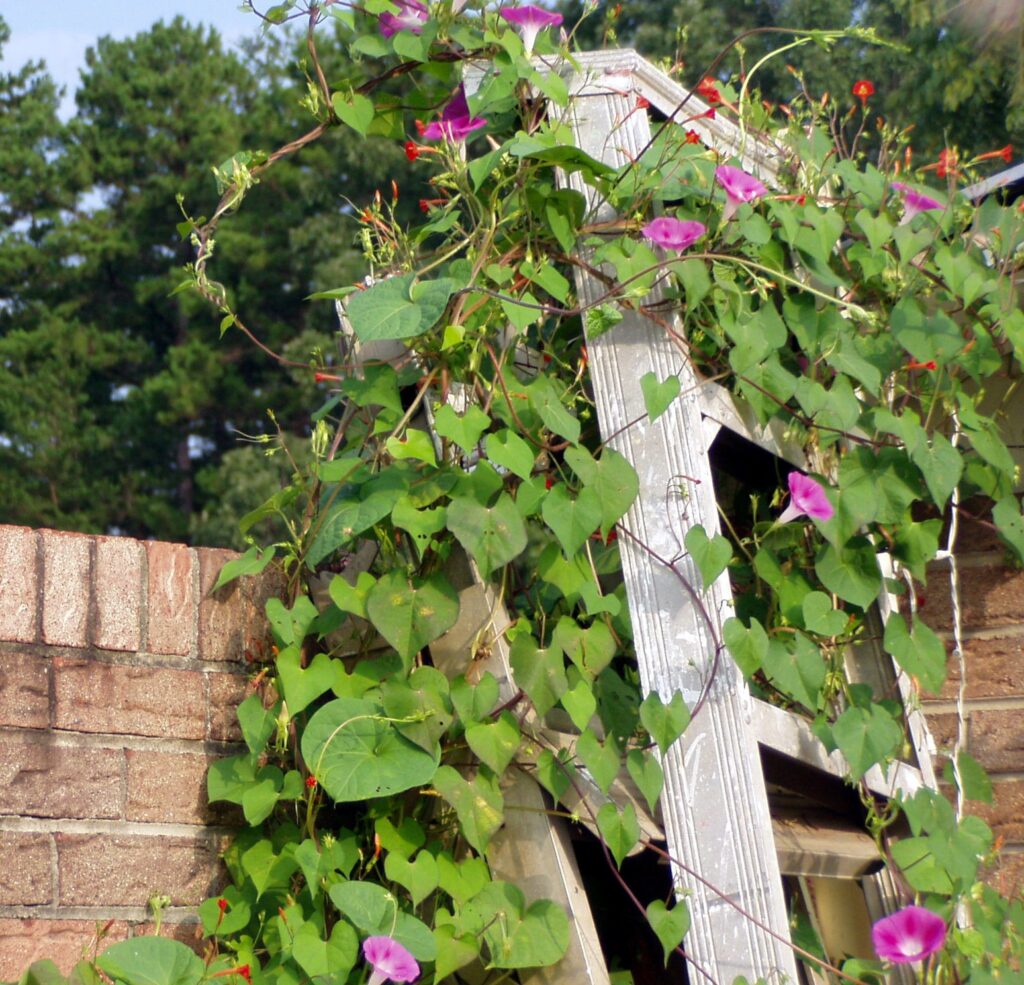
With any plants you choose, ensure that the aspect and light levels of your space match their requirements.
Another great option are hanging baskets or wall planters. In a sunny spot trailing plants such as Aubrieta ‘Purple Cascade’ or Snow-in-summer (Cerastium tormentosum) will look fantastic draped over the edge of your container. Mediterranean herbs such as sage, rosemary and thyme can also work well in a container that offers good drainage and is filled with relatively poor soil. If your space is more shaded consider salads or shade-tolerant ornamentals such as heuchera, hosta and bergenia. You can upcycle creatively by turning old furniture crates or even rain gutters into planters.
Do you like to keep a lot of smaller pots but your ground space is limited? Tiered plant stands or old ladders allow you to fit more pots in one spot whilst adding layers of visual interest. If you have access to a flat roof surface you can turn it into a mini green roof. This could be a flat shed top or even a bin or bike store roof. Low-growing stonecrops such as Sedum album or Sempervivum tectorum are well-suited with their short roots and ability to survive in poor soils with minimal attention.
2. Balance Planting and Hard Landscaping
A thoughtful layout can make a small garden feel surprisingly spacious. If possible, aim for a rough 50/50 balance between planting and paving or decking. It helps the space feel proportionate rather than crowded or bare. Instead of creating narrow lines of plants see if you can widen your borders. Generous planting makes the space feel immersive. If you have a lawn, rethink whether you need it. In a small garden, a lawn can emphasise how limited the area is. Replacing it with gravel or decking allows more room for pots and planting.
3. Play with Colour and Repetition
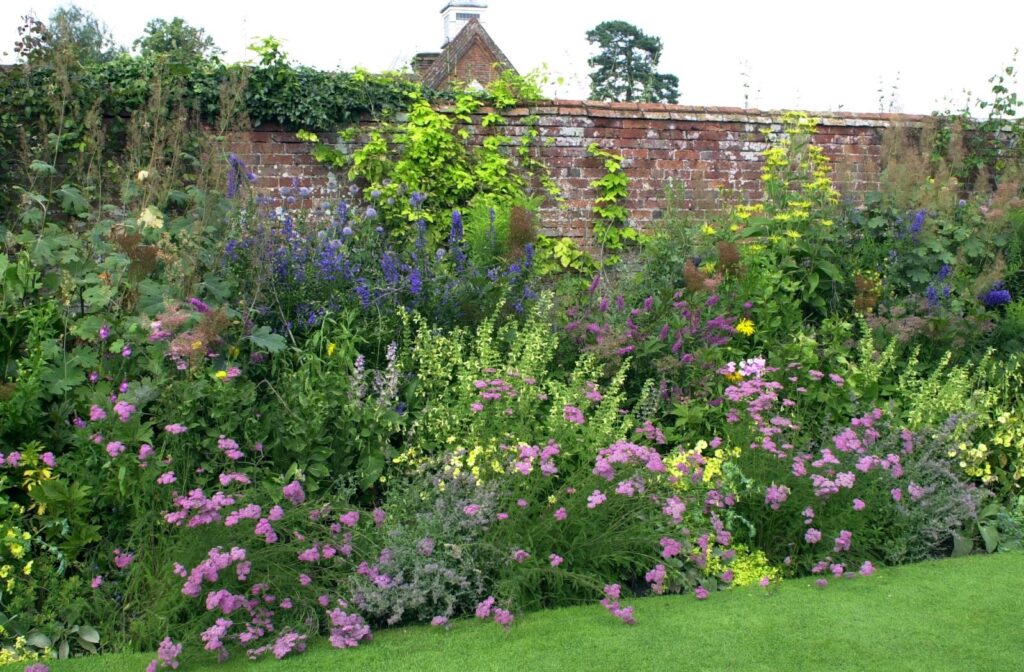
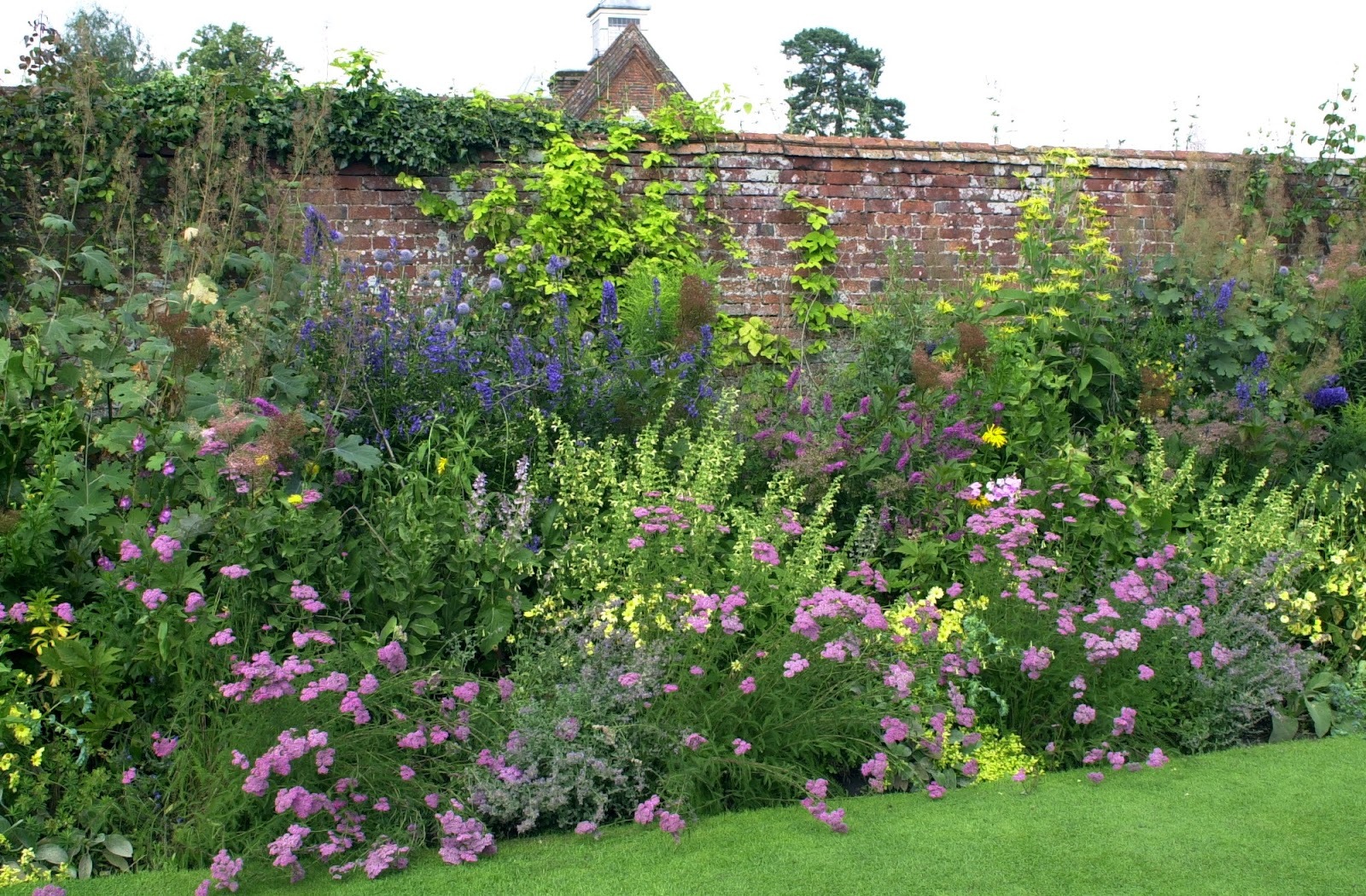
Colour can change the perception of space as much as structure. Cool colours (blues, purples and silvers) make areas feel larger because they visually recede, while warm colours (reds, oranges) appear closer. Use light-coloured materials like pale gravel, decking or painted fences to reflect light and brighten shaded corners. Repeat plants and containers for a calm, cohesive look.Repetition draws the eye through the space and avoids the cluttered feeling too many different plants can create. Try limiting your palette. For example you could choose two main foliage colours (like deep green and silvery grey) and one flower colour (such as purple) to repeat throughout the garden.
4. Choose Plants that Work Hard Year-Round
In a small garden every plant needs to earn its place. Opt for long-flowering plants such as yarrow (Achillea) catmint (Nepeta), scabious (Scabiosa), or repeat-flowering roses like ‘Generous Gardener’. Choose multi-season interest: small trees or shrubs like juneberry (Amelanchier lamarckii) provide spring blossom, summer berries and rich autumn colour.
5. Engage the Senses
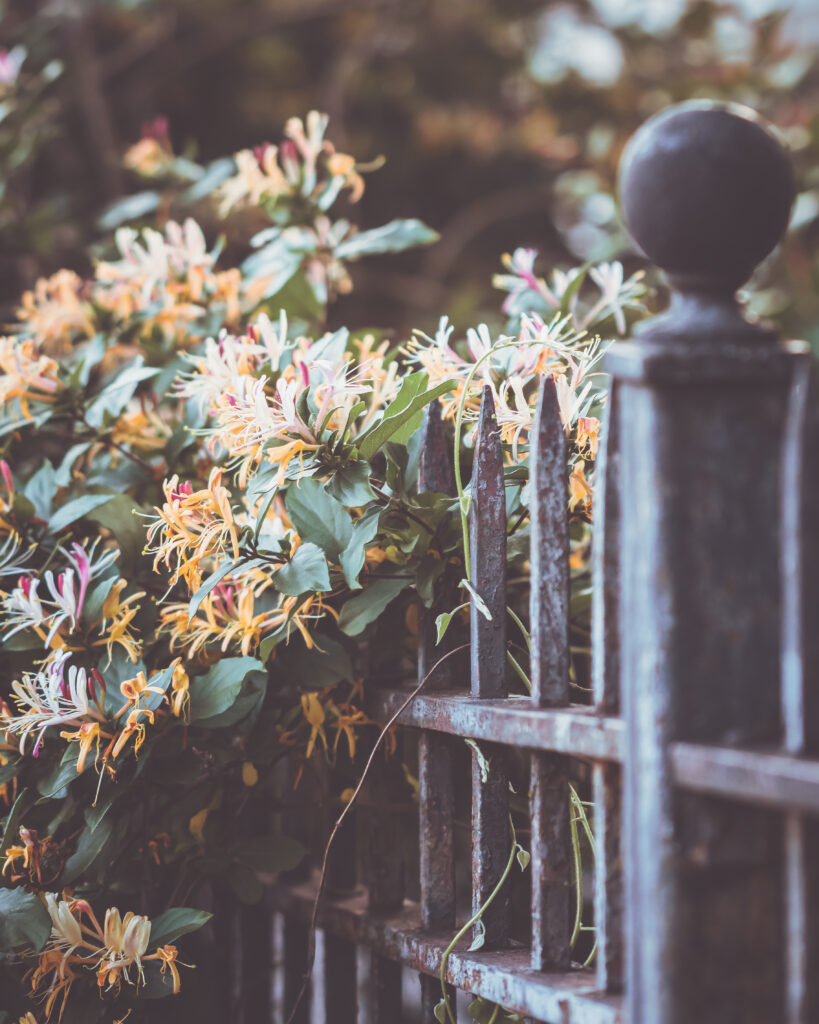
Small gardens can be the most atmospheric when you use scent and shape to transform the space. Mix scented plants close to paths or seating areas so their fragrance surrounds you. Night-scented honeysuckle (Lonicera periclymenum) is especially lovely in the evening.
Break up straight lines with curves or rounded paving. It softens the layout and tricks the eye into seeing a larger space. Create small divisions using planters, screens, or low hedges so that not everything is visible at once. This adds depth and makes the garden feel layered and intriguing.
Encourage wildlife by installing birdbaths or bug hotels. Listening to bird songs and watching bees visiting the flowers in your garden is a delight for your ears and eyes. And it is of course great for the ecosystem.
Final Thoughts
No matter how small your garden, it can become a retreat that feels generous and alive. By growing upwards, balancing hard and soft landscaping, using cool tones, and planting for the seasons and the senses, you can create a pocket of calm that thrives all year round. Visit local nurseries or community gardens to find plants suited to Scottish soils and weather.
About the author: Sarah Gerhardt is a gardener, linguist and punk musician based in Edinburgh. She was head gardener at the Dean Gardens, Edinburgh for 9 years and runs her own gardening business Gerhardt’s Garden Service. Find out more via her Linktree: https://linktr.ee/gerhardtsgardenservice