


Guest post by Sarah Gerhardt
A healthy garden is about more than just good-looking plants. It is about creating a space where nature can flourish. By caring for your soil, pruning at the right time, watering wisely, and thinking beyond “tidiness”, you can keep your plants strong while offering food and shelter to birds, insects, and other garden visitors. These essential tips will help you strike the perfect balance between beauty, productivity, and wildlife-friendly gardening all year round.
Pruning: More Than Just A Haircut for Plants
Pruning is one of the most satisfying tasks in the garden, but it’s also one that requires care and precision. It’s not just about making a plant look neat. Proper pruning encourages healthy growth, improves air circulation, and can prevent the spread of disease.
Start with the basics: sharp, clean tools are essential. Whether you’re using secateurs for small shoots or loppers or pruning saws for thicker branches, blunt blades can tear rather than cut, leaving plants more vulnerable to disease. It’s wise to disinfect your tools between plants to prevent the transfer of infections.
Timing is equally important. Avoid pruning during frosty spells, in the intense heat of summer, or in the rain. Spring and autumn are generally the best times, though many plants can also be pruned immediately after they’ve finished flowering. Roses, lavender, and hydrangeas are just a few examples that truly benefit from regular, annual pruning.
The first things prune out are the “three Ds”: Dead, diseased or damaged shoots and branches. After that you can prune to decongest, improve shape, encourage growth or reduce size.
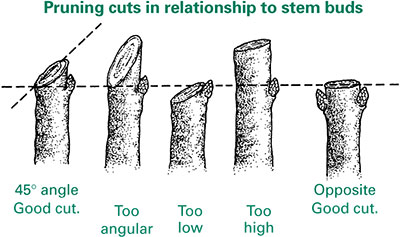
When cutting small shoots such as those of roses, cut closely above an outward-facing bud to encourage growth in a healthy, open shape. For plants that have opposite buds, such as those of many hydrangeas, make a flat cut above the two buds.
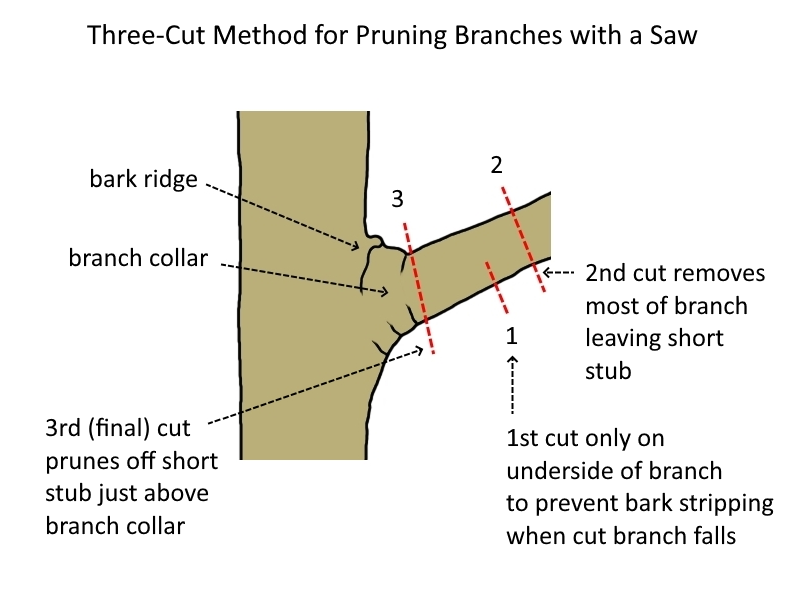
For larger branches, cut close to the branch collar without leaving a stub. The branch collar is the slightly swollen area at the base. This allows the plant to heal more effectively. For larger branches that carry a lot of weight use a sharp pruning saw and the three-cut method: Make a cut on the underside a little further along the branch, not right at the branch collar. Then cut through the branch from the top a little further up from where you made the undercut. The weight of the branch will tear the bark but usually not further than the undercut. As a final step, remove the remaining stump (now relieved off its weight) at the branch collar.
Once the job is done, a light feed and thorough watering can help the plant recover, whether with a specialist fertiliser, a layer of compost, or well-rotted manure.
Transplanting: Giving Plants A Fresh Start
Moving plants from one spot to another can feel risky, but done at the right time and with a bit of preparation, it can set them up for years of healthy growth. The best seasons for transplanting are spring (March to May) and autumn (September to November), when temperatures are mild and the soil is still workable. During these periods, plants are actively growing and better able to cope with the stress of being moved.
Before you lift a plant from its current spot, water it well. If there’s any delay between digging it up and planting it in its new home, protect the roots from drying out by wrapping them in damp sacking or similar material. Prepare the planting hole before you begin. Ideally it should be twice the size of the root ball. Improve the soil with well-rotted manure or compost.
When placing the plant in the new hole, tease out the roots (especially if it has been in a pot for a long time) and position it so the soil level matches what it was before, covering the roots but not burying the stem. Water generously after planting, and keep up a regular watering routine for at least the first two years for shrubs, particularly during warmer weather.
Watering: Getting It Just Right
It’s tempting to think of watering as simple, but the needs of your plants can vary greatly depending on their type, age and location. Newly planted shrubs, potted plants, and those growing in sandy soil need more frequent watering than mature shrubs or drought-tolerant species such as lavender, rosemary, and sage.
Sandy soil drains quickly, so plants may need smaller but more frequent drinks. Clay soil holds moisture for longer but takes time to absorb water, so a slower, deeper watering is best. Adding mulch can greatly improve any soil’s ability to retain moisture.
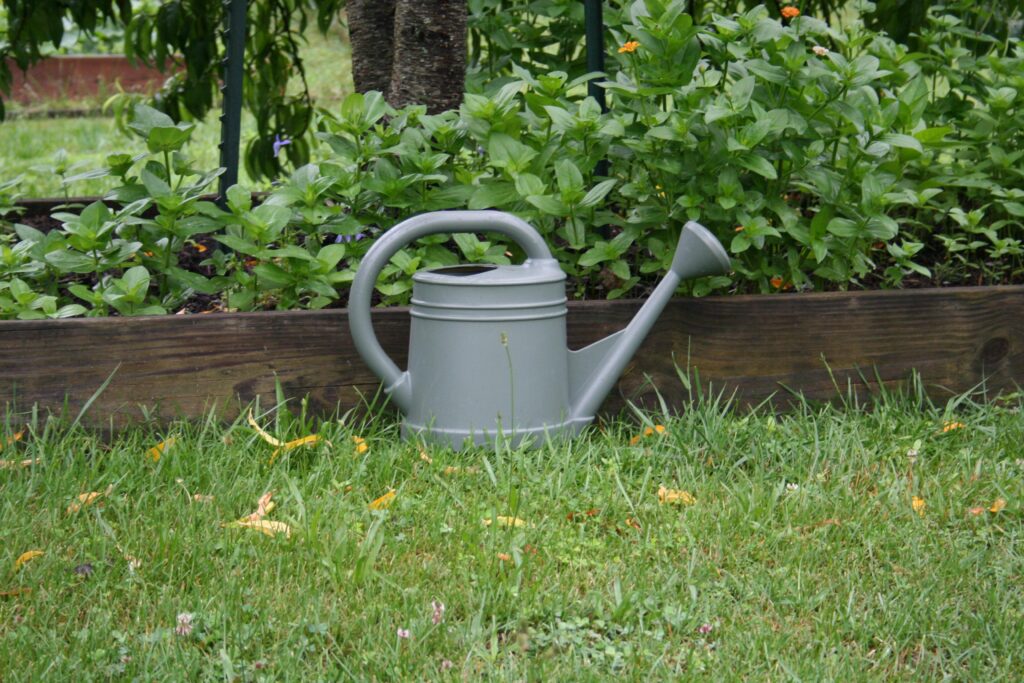
Container plants are particularly vulnerable to drying out. A good rule of thumb is to water with about 10% of the pot’s volume each time. For example, a 10 litre pot needs about a litre of water. Keep an eye out for signs of thirst such as wilting, dull or curling leaves, a lighter pot weight, or – in some cases – the appearance of powdery mildew, which can be linked to intermittent drought stress.
Recent changes in climate have led to increasingly hot and dry summers, putting many plants under significant drought stress. When planning your garden, choose drought-tolerant plants and look for ways to reduce water use. Collecting and storing rainwater using devices such as water butts is an effective way to reduce reliance on mains water for irrigation.
Mulching and Groundcover: Protecting the Soil
While bare soil may look tidy, it’s often less healthy than soil that is covered with mulch or groundcover plants. Mulching helps lock in moisture, making it an excellent strategy to reduce watering needs during the dry season. It also moderates soil temperature, suppresses weeds, and enriches the soil as it breaks down. The best time to apply mulch is mid to late spring, after the risk of frost has passed but before weeds have started to germinate. Autumn is another good opportunity, particularly as herbaceous plants begin to die back.
Before mulching, clear perennial weeds and water the soil well. Apply a layer of organic mulch such as compost, bark chips or leaf mould about 5 to 7.5 cm deep. Keep mulch away from the base of plants, as prolonged dampness against stems can cause rot. Avoid mulching plants that prefer dry, rocky conditions such as alpines and many Mediterranean herbs.
Groundcover plants can serve the same purpose while adding beauty and biodiversity. Options like geraniums, vinca, dead nettle (Lamium maculatum), London pride (Saxifraga x urbium), bugle (Ajuga reptans), and Hepatica are all excellent for suppressing weeds and retaining soil moisture.
Rethinking “Tidiness”: Creating a Wildlife Haven
A garden that’s perfectly manicured may be pleasing to the human eye, but nature thrives in a little mess. You don’t have to let the whole garden go wild, but setting aside even a small area for wildlife can make a big difference. A leaf or log pile in a quiet corner can shelter hedgehogs, toads, and countless insects through the winter.
Leaving seed heads on plants over winter provides a valuable food source for birds, while hollow stems can be used by insects for nesting. Some wild plants that are often dismissed as weeds are essential food for pollinators. Nettles, for example, are vital for many butterfly and moth caterpillars, while late-flowering species like campanula and wild oregano keep insects fed well into autumn.
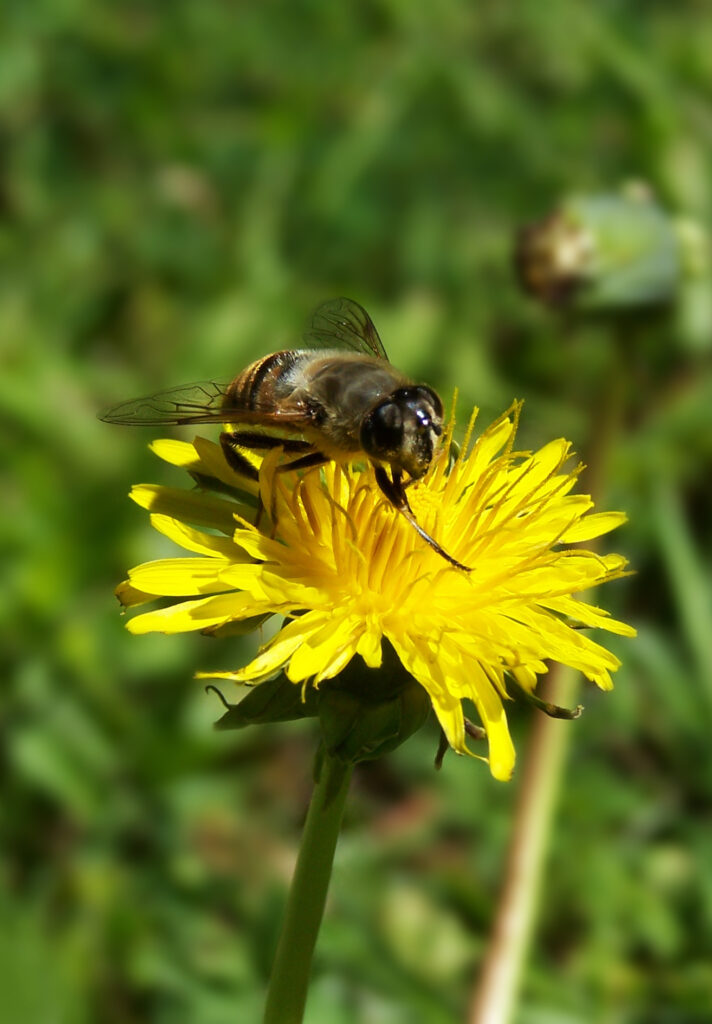
Reducing how often you mow the lawn allows clover, daisies, and other small flowers to bloom, feeding bees and other pollinators. And perhaps most importantly, avoiding pesticides helps maintain a balanced ecosystem. Pesticides can kill pollinators, poison animals, and disrupt the food chain. Instead, try companion planting, introducing beneficial predators, or using physical barriers to keep pests under control.
Final Thoughts
A thriving garden isn’t just about following rules. It’s about observing, experimenting, and letting nature lead the way. With a little knowledge and a lot of care, you can create a space that not only looks beautiful but also supports a rich web of life.
About the author: Sarah Gerhardt is a gardener, linguist and punk musician based in Edinburgh. She was head gardener at the Dean Gardens, Edinburgh for 9 years and runs her own gardening business Gerhardt’s Garden Service. Find out more via her Linktree: https://linktr.ee/gerhardtsgardenservice
-
 Builder’s Bag Planter Mix£84.50 inc VAT
 -
 Builder’s Bag Kelpie Compost£77.00 inc VAT
 -
 Builder’s Bag Green Goodness£57.50 inc VAT